Exploring Different Types of Interlocking Pavers: Which One is Right for You?
Introduction
When it concerns enhancing outside rooms, few materials rival the versatility and aesthetic appeal of interlacing pavers. Whether you're seeking to create a magnificent patio area, a smooth driveway, or an inviting pathway, these sturdy, interlocking rocks offer a variety of options. However with numerous kinds readily available on the market today, how do you choose the right one? In this write-up, "Exploring Different Sorts Of Interlocking Pavers: Which One is Right for You?", we'll dive deep right into the globe of interlocking pavers, reviewing their numerous kinds, benefits, and installation approaches while ensuring you have all the details needed to make an educated decision.
What are Interlocking Pavers?
Interlocking pavers are individual items of hardscape product that mesh in a certain way-- generally without the need for mortar. They are crafted from various materials such as concrete, brick, and all-natural rock.
Why Select Interlocking Pavers?
- Durability: Their robust construction makes them ideal for high-traffic areas.
- Aesthetic Appeal: They can be found in many styles and colors.
- Ease of Installation: Many house owners choose DIY leading installment many thanks to their simple nature.
- Versatility: Suitable for patio areas, driveways, sidewalks, and swimming pool decks.
Benefits of Utilizing Interlocking Pavers
- Cost-effective: Contrasted to traditional concrete slabs.
- Low Maintenance: Straightforward cleaning often suffices.
- Eco-friendly Options: Some varieties enable water drainage.
Types of Interlocking Pavers
As we embark on "Exploring Different Sorts Of Interlocking Pavers: Which One is Right for You?", let's classify the primary kinds:
1. Concrete Interlocking Pavers
Overview
Concrete pavers are made from a mix of concrete and accumulations molded into blocks. They are available in numerous forms and sizes.
Advantages
- Highly customizable
- Cost-effective
- Various structures available
Disadvantages
- Can be susceptible to fracturing gradually if not properly installed.
2. Clay Block Pavers
Overview
Clay block pavers are made from all-natural clay that has actually been terminated in kilns until hardened.
Advantages
- Timeless appeal
- Naturally immune to fading
- Environmentally pleasant as a result of their all-natural materials
Disadvantages
- Higher price compared to concrete options
3. Natural Rock Pavers
Overview
Natural stone pavers include materials like granite, limestone, or slate.
Advantages
- Unique look; no 2 rocks are alike
- Extremely durable and long-lasting
Disadvantages
- Often extra costly than various other types
4. Absorptive Paving Stones
Overview
Permeable pavers enable water to penetrate through them right into the landscaping Walnut Creek CA ground below.
Advantages
- Reduces runoff
- Helps take care of stormwater effectively
Disadvantages
- May need even more maintenance to avoid clogging
Choosing the Right Kind of Interlocking Paver for Your Project
When considering your job requirements, ask yourself:
What is your main use?
Whether it's a driveway or patio can influence your choice significantly.

What's your budget?
Some kinds can be a lot more expensive than others-- knowing your budget assists narrow down alternatives quickly!
How essential is aesthetics?
If you prefer something special or themed, going with all-natural stone might fit your design far better than conventional concrete options.
Paving Installment Refine Overview
Installing interlacing pavers entails a number of actions:
- Planning and Design
- Create a layout that suits your space.
- Site Preparation
- Excavate the location where you intend to put down the pavers.
- Base Product Installation
- A strong base is essential; commonly smashed stone or gravel is used.
- Laying Pavers
- This step calls for precision-- making sure alignment and spacing.
- Compacting
- Use a plate compactor to set the pavers firmly in place.
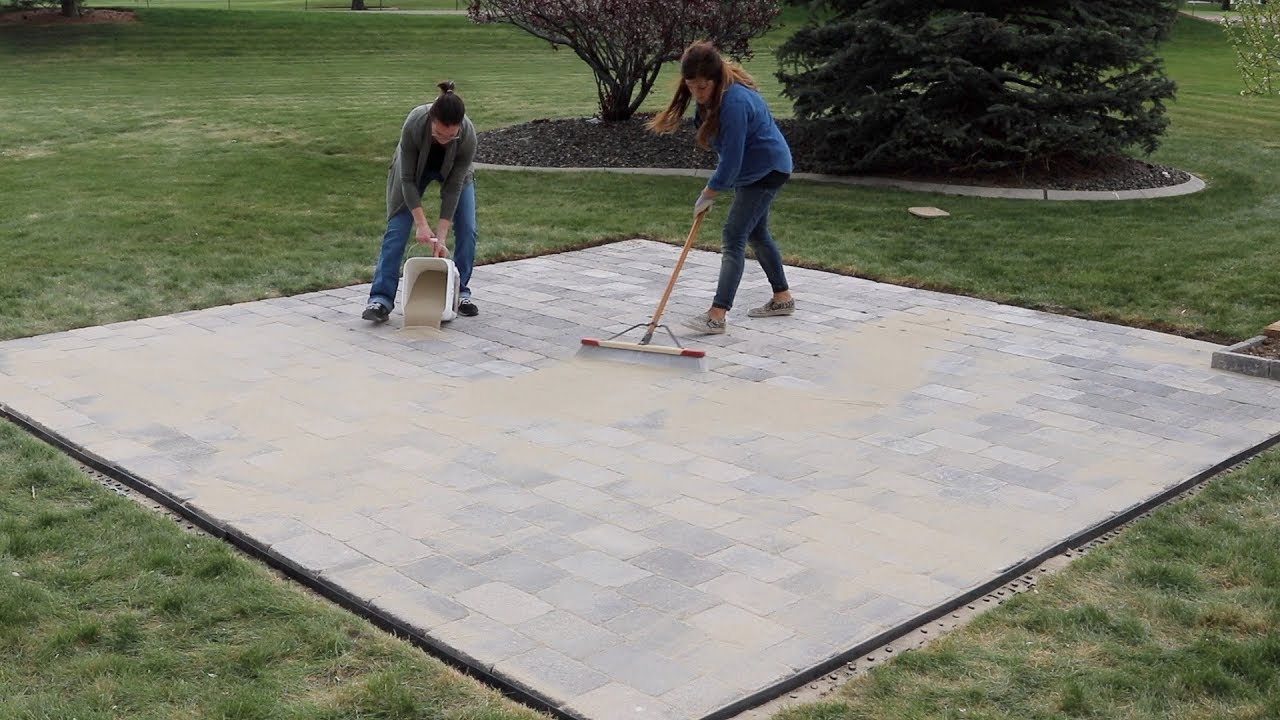
- Joint Filling
- Fill joints with sand or polymeric sand for stability.
- Sealing (optional)
- Sealing can boost color and shield against stains.
Hiring an Expert vs Do It Yourself Installation
While many property owners fearlessly take on do it yourself tasks themselves, employing a specialist paver installer can save time and make certain high quality results:
Advantages of Employing Specialists:
- Expertise in Material Selection
- Efficient Setup Time
- Warranty on Workmanship
Disadvantages:
- Higher total cost
- Less personal involvement in style choices
FAQs About Interlocking Pavers
1. For how long do interlacing pavers last?
Interlocking pavers can last over 25 years with appropriate maintenance!
2. Are interlocking pavers unsafe when wet?
Not always! Many suppliers supply textured surfaces specifically developed for grip also when wet.
3. Can I mount interlocking pavers myself?
Yes! With some planning and initiative, numerous property owners effectively finish their own paving installation projects.
4. Do I require to seal my interlocking paver driveway?
Sealing isn't obligatory yet extremely advised as it secures against discolorations and enhances durability.
5. What upkeep do interlacing pavers require?
Regular sweeping and periodic garden design Marin County stress washing will maintain them looking great!
6. Can I mix various sorts of interlacing paver materials?
Absolutely! Mixing products can develop unique designs but guarantee compatibility regarding size and shape.
Conclusion
In verdict, "Discovering Various Types of Interlocking Pavers: Which One is Right for You?" reveals that selecting the appropriate type rests on a number of factors including usage scenarios, budget plan restrictions, aesthetic appeal preferences, and whether you like expert support or DIY setup methods! By understanding each choice's advantages and drawbacks alongside properly implementing leading setup methods-- your outside area can transform right into an incredible useful room that thrills visitors while including worth to your home!